
Phishing Left the Inbox: QR Codes, Adversary-in-the-Middle Kits, and the 21-Second Click
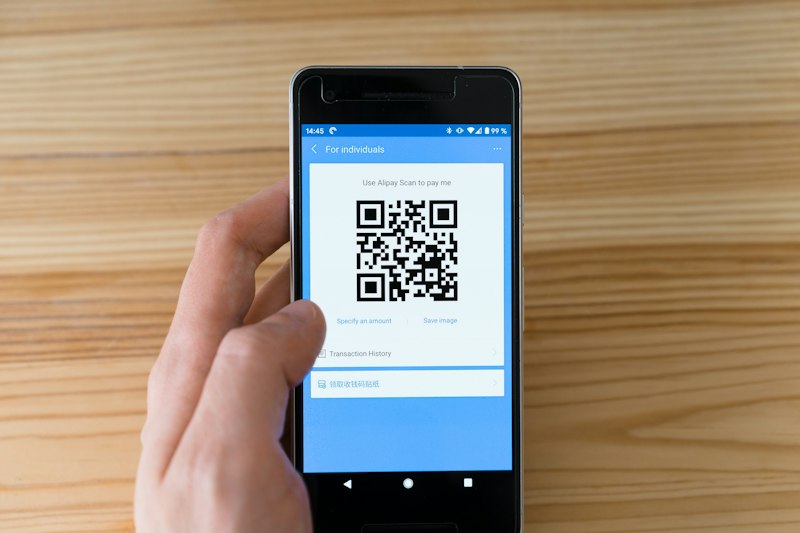
QR code phishing rose sharply through early 2026, and the reason is structural: a QR code hands the attack to a phone, where the mail gateway, the proxy, and the endpoint agent all stop watching.
For twenty years, phishing defense has been built around a single contested surface: the inbox. Gateways scan links, proxies inspect destinations, and endpoint agents watch what happens after the click. QR code phishing — quishing — works because it deliberately steps around every one of those controls, moving the victim from a monitored corporate laptop to an unmonitored personal phone with a single photograph.
Why the Phone Is a Blind Spot
The mechanics are unremarkable, which is precisely why they work. A message arriving in the inbox contains an image, or a link wrapped in enough obfuscation that a filter cannot resolve it. The user scans the code, and the entire authentication journey continues on a device that has no corporate proxy, no endpoint detection, and often no management profile at all. Mobile browsers truncate the address bar, so inspecting the destination is awkward to the point of being impractical. The human factors line up as well: industry telemetry has found that a large majority of users scan codes without verifying where they lead, and the average interval before following a phishing payload has been measured at roughly twenty-one seconds. Microsoft's threat intelligence reported QR-based attacks rising by around 146 percent in the first quarter of 2026, and survey data suggests QR codes appeared in roughly one in eight phishing attacks during 2025. The growth is not a fad; it is a control-gap arbitrage.
Quishing Is Only Half the Attack
What makes the 2026 variant dangerous is how well it pairs with adversary-in-the-middle phishing kits. Rather than hosting a crude clone, the kit operates as a reverse proxy between the victim and the genuine login page, relaying everything in real time and capturing the authenticated session cookie on the way through. That defeats ordinary multi-factor authentication decisively: the victim completes a real MFA challenge, against a real service, and the attacker walks away with an already-authenticated session. Push-notification fatigue and notification bombing remain the cruder companion tactic, but the session theft is the one that quietly invalidates the reassurance that we have MFA so we are fine.
Controls That Survive a Stolen Session
- Phishing-resistant authentication: Passkeys and hardware security keys bind the credential to the origin, so a reverse proxy cannot harvest anything reusable. This is the only control that closes the session-theft path outright.
- Device-bound and conditional access: Requiring a compliant, managed device for sensitive resources means a personal phone cannot complete the journey even if the user scans the code.
- Decode at the gateway: Modern mail security can extract and resolve QR payloads before delivery, turning an unreadable image back into an inspectable URL.
- Break the phone handoff: Suppress QR content in external mail to unmanaged devices, enforce external-sender banners, and consider blocking coded images from unknown senders entirely.
- Revoke sessions, not just passwords: When a session token is stolen, a password reset alone leaves the attacker inside. Kill active sessions and refresh tokens as the first response action.
What to Tell People, and What to Measure
The durable behavioral rule is narrow enough to be remembered: never scan a QR code from a message you did not request, and navigate to the service yourself instead. That complements rather than replaces the technical controls, because the lesson of the 2026 phishing landscape is that detection can no longer be the foundation. Track time from first report to session revocation, and measure how quickly conditional access would have stopped a personal device from reaching sensitive data. The fix for quishing is not a better image filter. It is making a stolen session worthless.