
The Vault Is the Target: Why Password Managers Changed the Threat Model
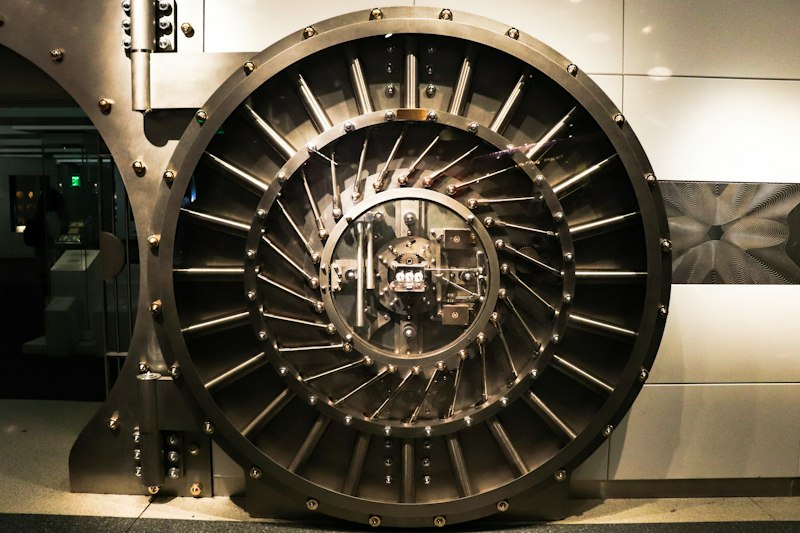
Password managers remain the single best upgrade most people can make — and they have quietly become the most valuable thing on the endpoint. Infostealers, not vault cryptography, are the problem.
Let us start with the uncomfortable part of the argument: password managers work. Users of dedicated managers consistently report lower rates of account takeover and identity theft than non-users in industry surveys, and the reason is straightforward — a unique password for every account removes the payoff from credential reuse. The problem in 2026 is not that vaults are weak. The problem is that the vault has become the highest-value target on the machine, and the threat has moved to the one place vault design cannot protect.
The Economics of the Infostealer
The credential theft market industrialized over the last two years. Analysis of the first half of 2025 recorded an increase in infostealer-driven credential theft on the order of 800 percent compared with the preceding period, with something close to 1.8 billion credentials harvested in that window alone. The downstream statistics explain why it works: analysis of large exposed password corpora suggests only about six percent of the passwords were unique, meaning a single infostealer log frequently unlocks many accounts at once. Commodity malware is now sold as a service with a subscription model, which means the barrier to stealing an entire browser profile — cookies, sessions, saved passwords — is measured in dollars rather than skill.
What Infostealers Actually Take
The important detail is that a well-built vault is rarely broken cryptographically. It is bypassed. Malware running as the logged-in user can read an unlocked vault directly from memory, hook the keystrokes that unlock it, or simply exfiltrate the encrypted vault file and attack it offline at leisure if the master password is weak. Reports of credentials for major password managers appearing in infostealer logs date back years, and they are not evidence of bad vault design — they are evidence that the endpoint was already lost. This is the honest limit of the entire category: no vault survives malware executing with your privileges in your session.
Hardening That Actually Moves the Needle
- Treat the master password as the crown jewel: A long passphrase with real entropy, used nowhere else, and never typed into a site that is not the vault itself.
- Add a hardware key to the vault: A security key on the vault account means a stolen master password alone is not enough.
- Shorten the unlock window: Aggressive auto-lock on idle and on screen lock reduces the window in which a running infection can read memory.
- Be deliberate about autofill: Convenient autofill can be triggered by hidden fields on a hostile page, so reserve it for sites you trust rather than enabling it universally.
- Prefer passkeys where offered: A credential that never exists as a secret in the vault cannot be harvested from it.
- Rotate the credential set, not just one password: If a device was infected, assume every secret it touched is compromised — including the vault — and reset accordingly.
The Organizational Version
For enterprises the lesson scales rather than changes. Shared vaults, standing privileged credentials, and long-lived secrets in configuration files all reproduce the same weakness: a single endpoint compromise yields a broad set of keys. The structural answers are privileged access management with short-lived credentials, secret scanning with push protection on repositories, and the assumption that any credential present on a compromised machine is already gone. Choose a manager, use a strong master passphrase, add a hardware key, and stop treating the endpoint as separate from the vault. They are the same asset now.